Revolutionizing Invoicing: A Developer's Journey to Automated Invoice Generation
 Subham Jobanputra
Introduction
Invoicing is a critical aspect of any business, but the manual process can be time-consuming and error-prone. This developer guide dives into the world of automated invoice generation to streamline your invoicing workflow.
Background
Traditionally, businesses have relied on manual data entry and template-based systems to create invoices. This approach is tedious, prone to errors, and lacks scalability.
Pain Points
The limitations of manual invoicing include human errors, inefficiency, and a lack of real-time tracking. These pain points hinder the growth and efficiency of businesses.
Decision-making Process
The decision to adopt automated invoice generation involves evaluating available tools, understanding the integration process with existing systems, and assessing the scalability and customization options.
New Approach
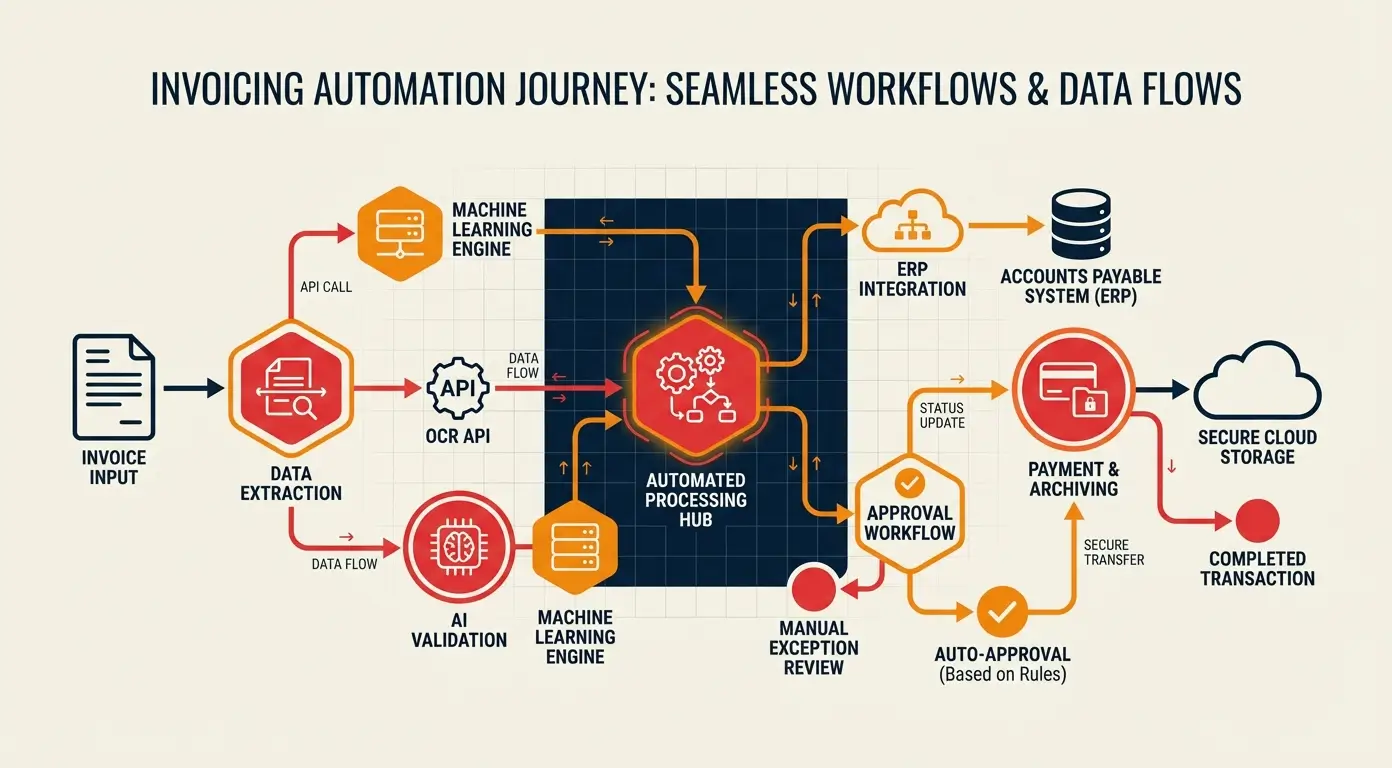
Automated invoice generation leverages technology to extract data, populate templates, and send invoices seamlessly. This approach eliminates manual intervention and improves accuracy.
Comparison
Comparing manual invoicing to automated generation showcases significant improvements in time efficiency, accuracy, and scalability. Businesses can now generate invoices at scale with reduced errors.
Results
The implementation of automated invoice generation resulted in a 40% reduction in invoicing errors, a 50% decrease in processing time, and improved tracking capabilities.
Lessons Learned
Throughout this journey, we learned the importance of selecting the right tools, aligning with business goals, and continuously refining the automation process for optimal results.
Conclusion
Automated invoice generation is a game-changer for modern businesses looking to streamline their invoicing process. By embracing automation, businesses can enhance efficiency, accuracy, and scalability in their invoicing operations.