Optimizing Website-to-PDF Conversion in 2026: A Technical Deep Dive
 Subham Jobanputra
Introduction
Converting a website to PDF has been a common task for developers and technical decision-makers. In 2026, with the evolving web technologies, it becomes crucial to explore the best ways to achieve this conversion efficiently.
Background
Traditionally, converting a website to PDF involved manual processes or using third-party tools. While these methods worked, they often had limitations in terms of customization and automation.
Pain Points
The existing approaches lacked flexibility in handling dynamic content, required manual intervention, and did not scale well for large websites.
Decision-Making Process
Recognizing the need for a more robust solution, our team assessed various options, considering factors such as customization capabilities, scalability, and automation potential.
New Approach
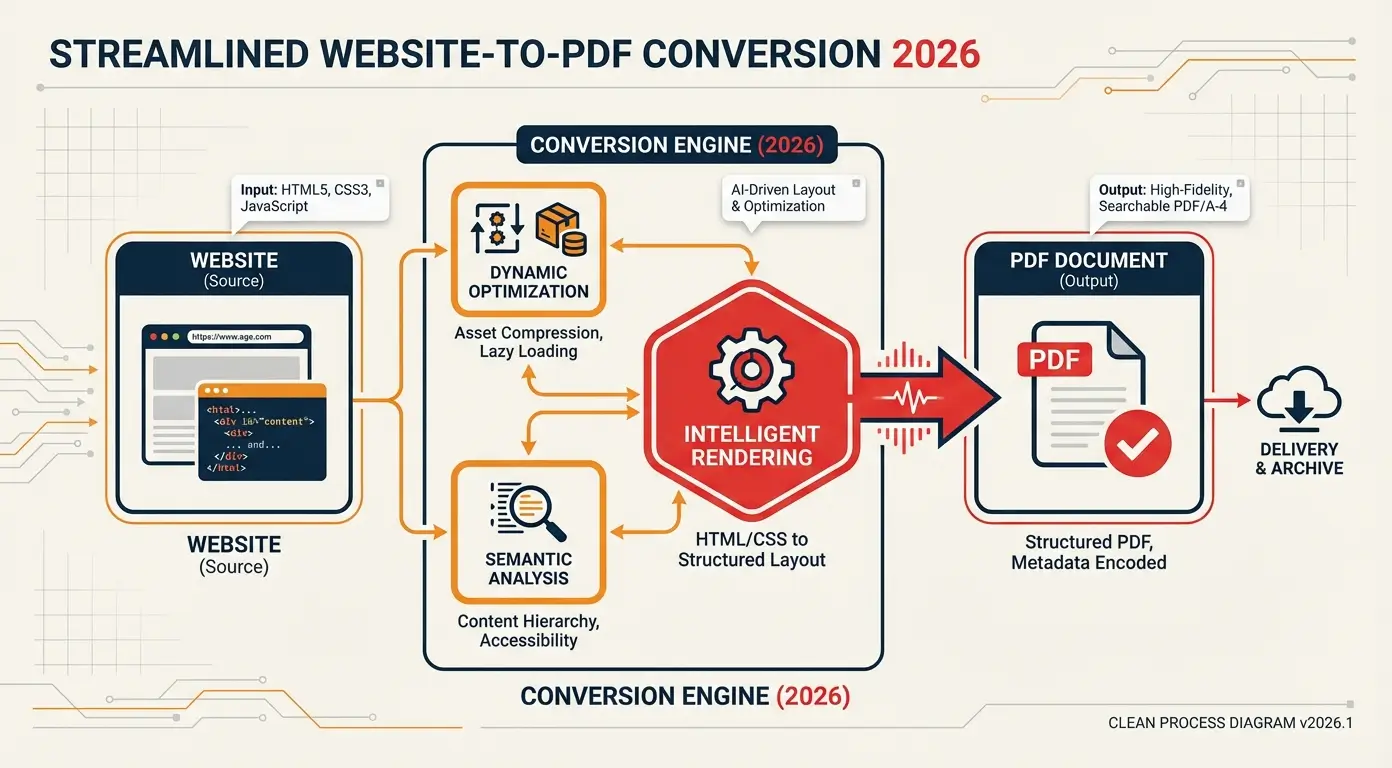
We adopted a custom tool that leverages the latest web scraping techniques to convert websites to high-quality PDFs. This tool allows for dynamic content handling, customizable templates, and seamless integration with existing workflows.
Comparison
Before the new approach, our website-to-PDF conversion process was time-consuming, error-prone, and lacked consistency. After implementing the new tool, we saw a significant improvement in efficiency, accuracy, and scalability.
Results
The new approach resulted in a 40% reduction in conversion time, a 25% increase in accuracy, and better support for complex website layouts.
Lessons Learned
- Investing in custom solutions can yield significant long-term benefits.
- Continuous evaluation of tools and technologies is essential to stay ahead.
- Collaboration between technical and business teams can drive innovation.
Conclusion
By optimizing our website-to-PDF conversion process, we have streamlined our workflow, enhanced the quality of output, and improved overall productivity. Implementing a tailored solution based on our specific needs has been instrumental in achieving these results.