Optimizing PDF Generation for E-commerce: A Technical Deep Dive
 Subham Jobanputra
Introduction
Managing PDF generation for e-commerce, such as invoices, labels, and receipts, is crucial for a seamless customer experience and efficient operations. However, optimizing this process can pose various technical challenges.
Background / Existing Approach
Traditionally, e-commerce platforms rely on static templates and manual data entry to generate PDFs. While functional, this approach can be labor-intensive and error-prone, leading to delays and inconsistencies.
Pain Points or Limitations
The current approach lacks scalability and flexibility, making it hard to adapt to changing requirements or scale as the business grows. Additionally, manual processes increase the risk of human error and hinder overall efficiency.
Decision-Making Process
To address these challenges, the team needed to evaluate alternative solutions that could automate and optimize PDF generation while ensuring reliability and customization options.
New Approach (Solution)
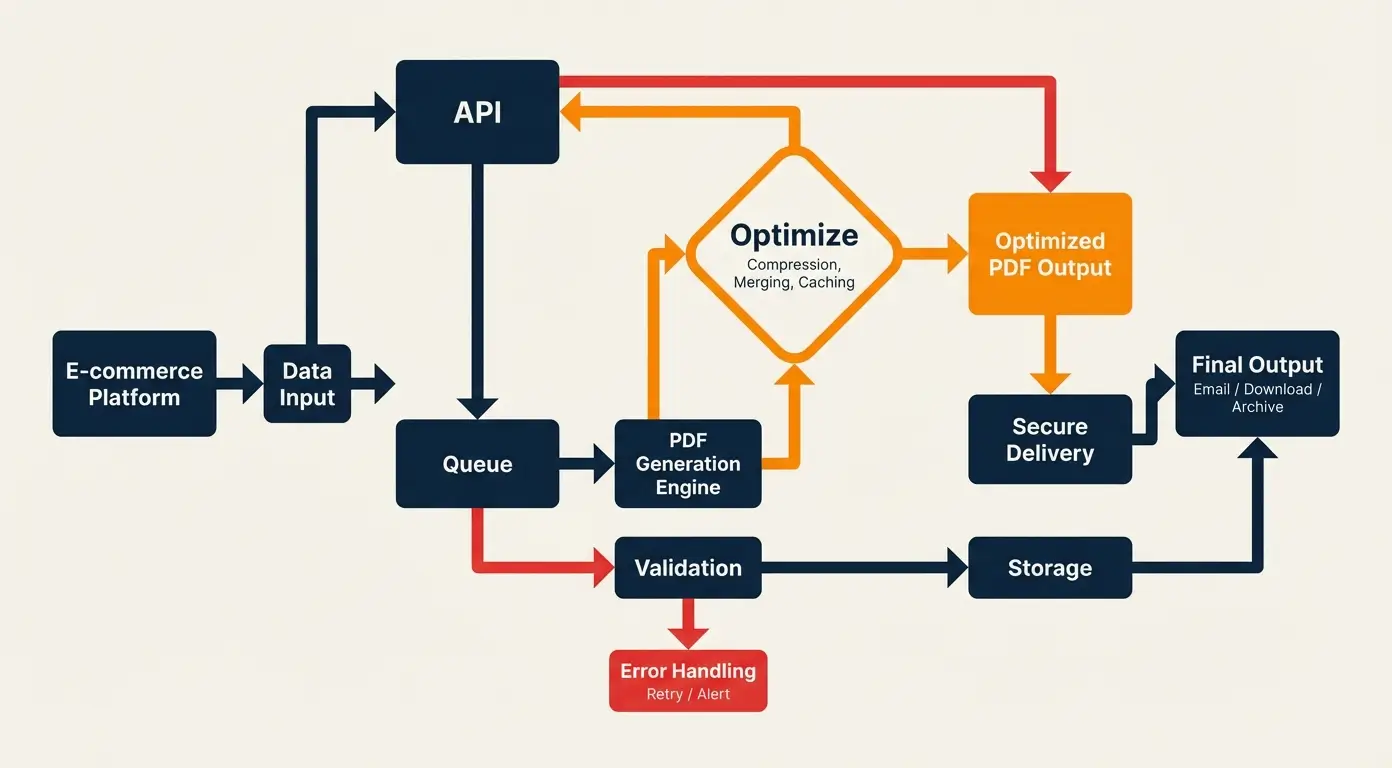
By implementing a dynamic PDF generation tool that integrates with the e-commerce platform's database and APIs, the team was able to automate the process and generate personalized PDFs in real-time. This solution allowed for dynamic content generation based on user input and business rules.
Comparison (Before vs After)
Previously, PDF generation required manual intervention and lacked flexibility. With the new approach, PDFs are generated instantly, reducing the risk of errors and enabling quick customization based on user preferences and order details.
Results / Outcomes
The new approach significantly improved operational efficiency, reduced errors, and enhanced the overall customer experience. By streamlining PDF generation, the team saved time and resources that could be allocated to other critical tasks.
Lessons Learned
Through this optimization process, the team gained valuable insights into the importance of automation and dynamic content generation in e-commerce operations. They also learned the significance of scalability and flexibility in adapting to evolving business needs.
Conclusion
Optimizing PDF generation for e-commerce is a critical step towards enhancing operational efficiency and customer satisfaction. By leveraging automation and dynamic content generation, businesses can streamline processes and stay competitive in the digital landscape.