Optimizing Multi-Page PDF Generation for Dynamic Content
 Subham Jobanputra
Introduction
Generating multi-page PDFs with dynamic content in applications is a common requirement, especially in scenarios where users need to export complex data or reports. However, this process can be challenging due to the need to maintain the formatting and layout across multiple pages.
Background / Existing Approach
Traditionally, developers have relied on libraries or tools that support PDF generation, but these solutions often struggle with handling dynamic content across multiple pages effectively. This results in mismatched layouts, inconsistent styling, and performance issues.
Pain Points or Limitations
The primary pain points faced when generating multi-page PDFs with dynamic content include:
- Inconsistent styling and formatting across pages
- Performance bottlenecks with large datasets
- Lack of support for interactive elements in PDFs
Decision-Making Process
When faced with these challenges, our team evaluated different approaches to improve multi-page PDF generation for dynamic content. We considered factors such as ease of integration, scalability, and flexibility to accommodate diverse content types.
New Approach (Solution)
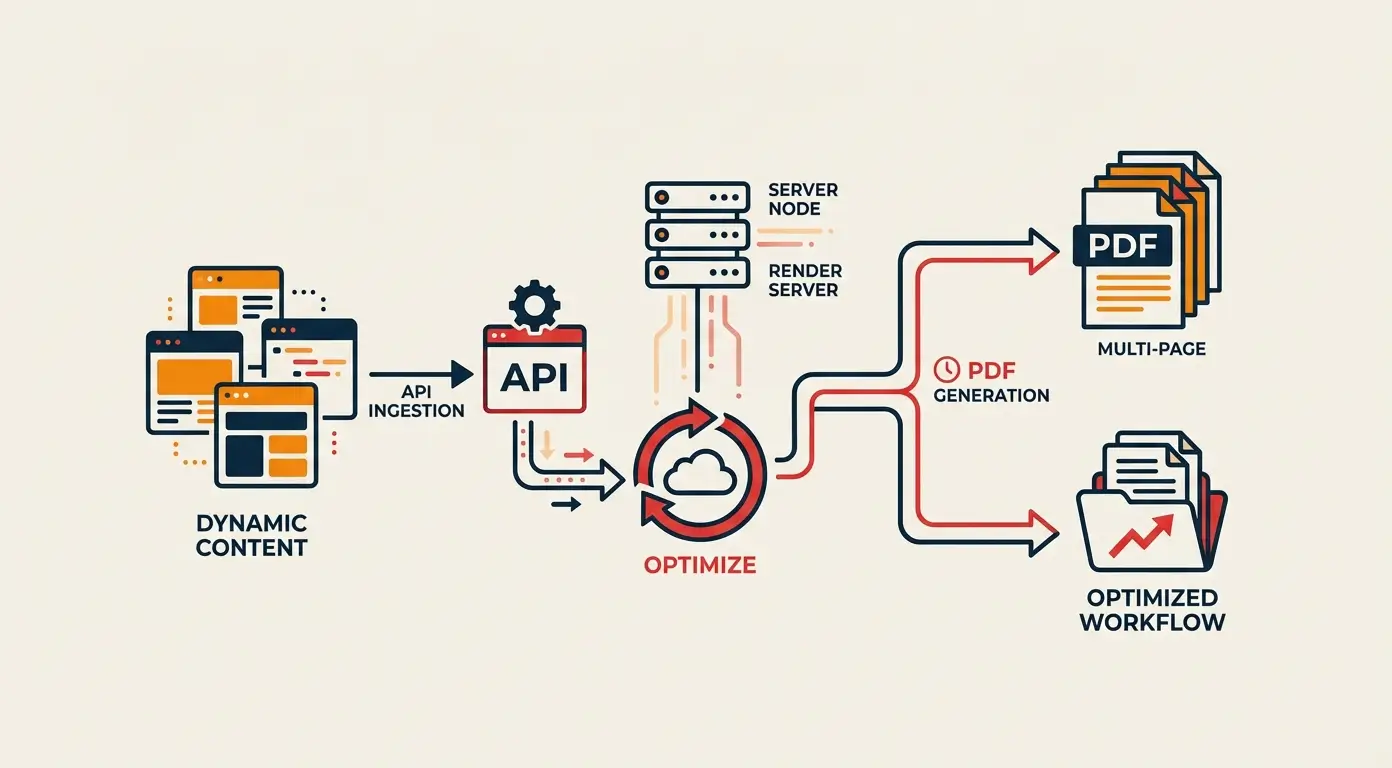
To address the limitations of traditional PDF generation tools, we implemented a custom solution that dynamically generates PDF content based on templates. By separating content from presentation, we were able to maintain consistent styling and layout across multiple pages, even with dynamic data.
Comparison (Before vs After)
Before adopting our custom solution, our application struggled with mismatched layouts and slow performance when generating multi-page PDFs. However, post-implementation, we noticed significant improvements in both styling consistency and rendering speed.
Results / Outcomes
By optimizing multi-page PDF generation for dynamic content, we were able to enhance the user experience, increase productivity, and reduce the time required to generate complex documents. The new approach streamlined our PDF generation process and improved the overall quality of exported reports.
Lessons Learned
Throughout this optimization process, we learned the importance of decoupling content and presentation in PDF generation. This modular approach allowed us to adapt our templates easily, handle dynamic data efficiently, and scale our solution as needed.
Conclusion
Optimizing multi-page PDF generation for dynamic content is crucial for applications that rely on exporting complex data. By implementing a custom solution and focusing on consistency and performance, we were able to overcome traditional limitations and enhance our PDF generation process. Remember, flexibility, scalability, and efficient handling of dynamic content are key factors in achieving seamless multi-page PDF generation.