The Evolution of HTML to PDF Conversion: A Technical Deep Dive
 Subham Jobanputra
Introduction
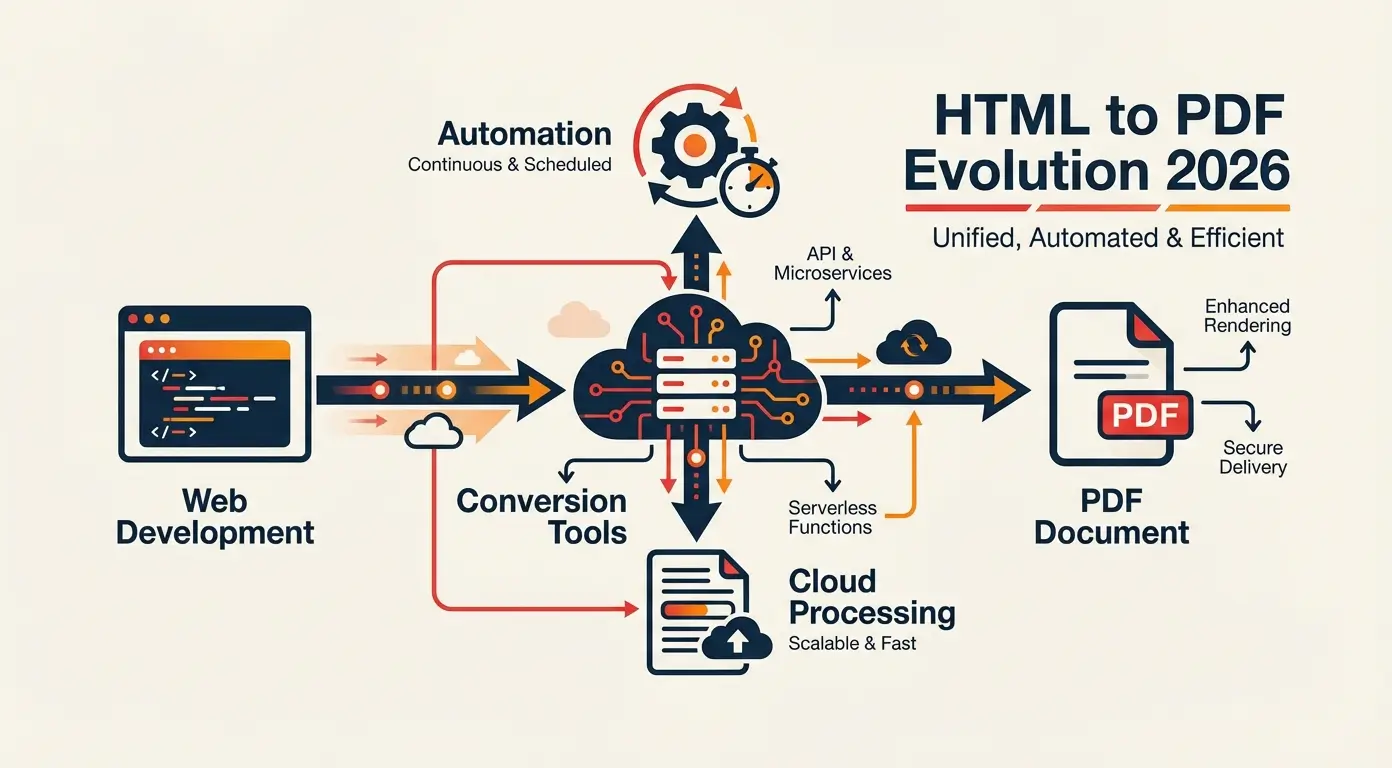
In 2026, HTML to PDF conversion has become a critical aspect of many web applications, requiring efficient and reliable solutions. Let's explore the evolution of this process and the key factors to consider when implementing it.
Background
Traditionally, converting HTML to PDF involved complex libraries and custom scripts, leading to cumbersome workflows and slower processing times. This inefficiency often resulted in degraded user experience and increased maintenance efforts.
Pain Points
The challenges faced in HTML to PDF conversion included compatibility issues, limited customization options, and difficulties in handling dynamic content. These limitations hindered the seamless generation of high-quality PDF documents from web pages.
Decision-Making Process
To address these pain points, technical decision-makers needed to evaluate various solutions, considering factors such as performance, scalability, flexibility, and developer experience. The goal was to find a solution that streamlined the conversion process without sacrificing quality.
New Approach
Introducing modern HTML to PDF conversion tools that leverage the latest technologies, automation strategies, and cloud services. These tools offer enhanced customization options, improved performance, and seamless integration with existing workflows, making the conversion process more efficient and reliable.
Comparison
By adopting these new approaches, organizations saw significant improvements in conversion speed, document quality, and overall user satisfaction. The streamlined workflows and enhanced capabilities led to a more seamless HTML to PDF conversion experience.
Results
The implementation of modern HTML to PDF conversion tools resulted in faster processing times, reduced errors, and increased productivity for development teams. The improved quality of generated PDF documents enhanced the end-user experience and streamlined content delivery.
Lessons Learned
Through this journey of upgrading HTML to PDF conversion processes, technical teams learned the importance of staying updated with technology advancements, embracing automation, and prioritizing user experience. The iterative nature of development demands continuous improvement and adaptation to meet evolving requirements.
Conclusion
As we look towards the future of HTML to PDF conversion, it is essential for technical decision-makers to leverage modern tools and strategies to enhance efficiency, quality, and user satisfaction. By embracing innovation and best practices, organizations can transform their conversion processes and stay ahead in delivering exceptional digital experiences.