Enhancing PDF Internationalization: A Case Study in RTL and Multi-Language Support
 Subham Jobanputra
Introduction
When catering to a global audience, providing RTL (right-to-left) and multi-language support in PDF output is vital for a seamless user experience. Let's delve into a case study focusing on enhancing PDF internationalization for a diverse user base.
Background
Initially, our PDF output lacked RTL language display and efficient handling of multi-language content. This affected users from non-Latin-based languages and their overall experience.
Pain Points
- Insufficient RTL language support
- Challenges in managing multi-language content
- User dissatisfaction with readability issues
Decision-Making Process
Recognizing the importance of serving international users, we decided to restructure our PDF output capabilities. Extensive research was conducted, evaluating various technical solutions and their impact on user experience.
New Approach
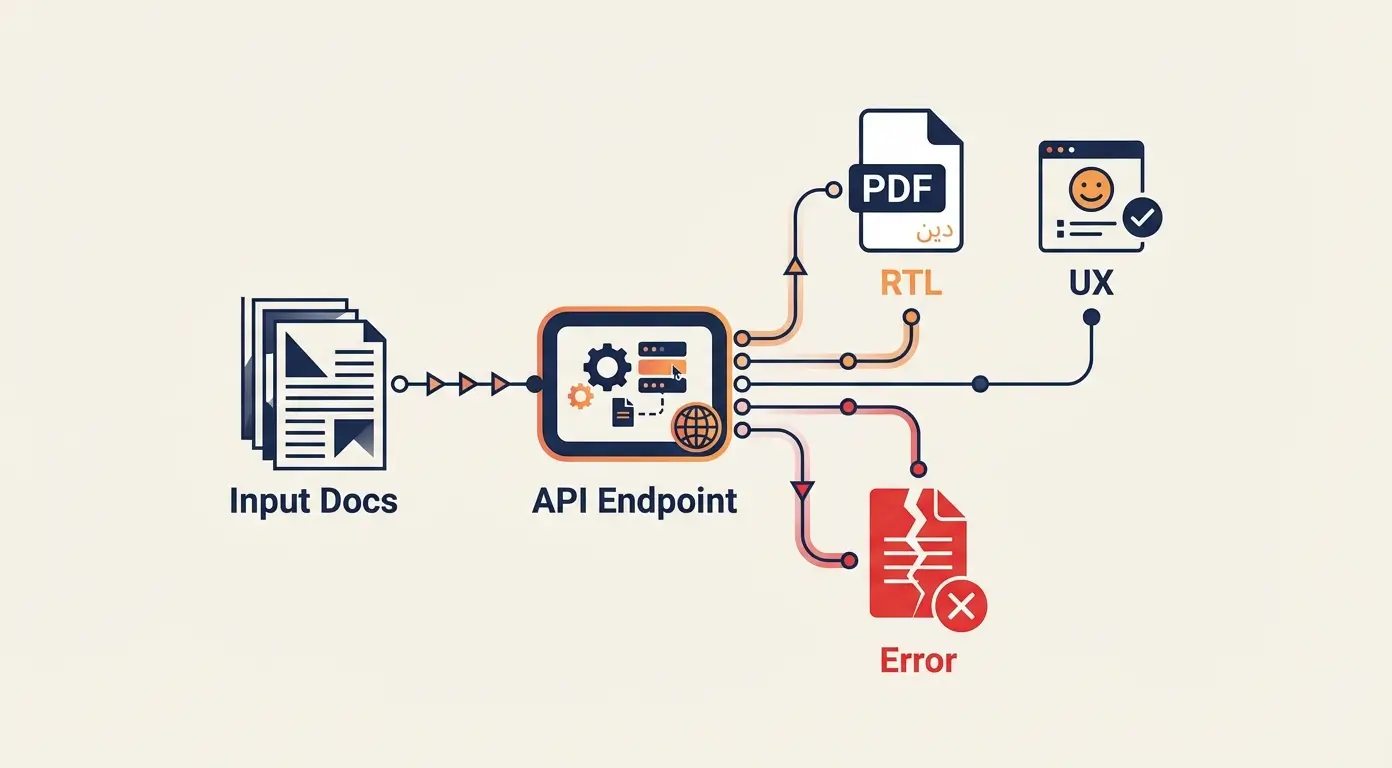
By implementing an internationalization strategy, we seamlessly integrated RTL support and enhanced multi-language capabilities within our PDF output system. This involved updating the rendering engine to support diverse writing directions and character sets effectively.
Comparison
Prior to the upgrade, users faced challenges with illegible RTL text and mixed-language content. However, post-implementation, there was a notable improvement in readability and language display, creating a more inclusive environment.
Enhancing Internationalization
For a clearer insight into the impact of RTL and local language support, consider the scenario where a user in Saudi Arabia attempts to view a document containing Arabic text. Prior to our enhancements, the document would appear distorted or unreadable. However, post-upgrade, the text renders correctly, ensuring a seamless reading experience for the Saudi Arabian user.
Results
- Heightened user satisfaction through improved readability
- Broadened accessibility for global users
- Strengthened brand reputation for inclusivity
Key Takeaways
Throughout this process, we learned the significance of addressing global user needs and prioritizing internationalization efforts. The impact of meeting diverse language requirements extends beyond user contentment to overall brand perception.
Conclusion
By embracing RTL and multi-language support in our PDF output, we have not only enhanced user experience but also showcased our dedication to inclusivity. Internationalization stands as a pivotal aspect of product development for engaging a diverse audience.