Enhancing PDF Accessibility: A Developer's Guide to PDF/UA Standards
 Subham Jobanputra
Introduction
Creating accessible PDFs is crucial for ensuring that users of all abilities can access information effectively. In this guide, we explore the importance of PDF/UA standards and how developers can enhance PDF accessibility.
Background
Historically, PDF documents have presented challenges for users with disabilities due to their fixed layout. Traditional approaches to PDF accessibility often involve adding alt text to images and ensuring logical reading order. However, these methods have limitations in providing a truly accessible experience.
Pain Points or Limitations
One common pain point in PDF accessibility is the lack of support for screen readers and assistive technologies. This can result in fragmented user experiences and limited access to critical information for users with disabilities.
Decision-Making Process
When considering how to improve PDF accessibility, developers must weigh the trade-offs between maintaining visual fidelity and optimizing for accessibility. This decision-making process involves evaluating the needs of diverse user groups and aligning with industry standards such as PDF/UA.
New Approach (Solution)
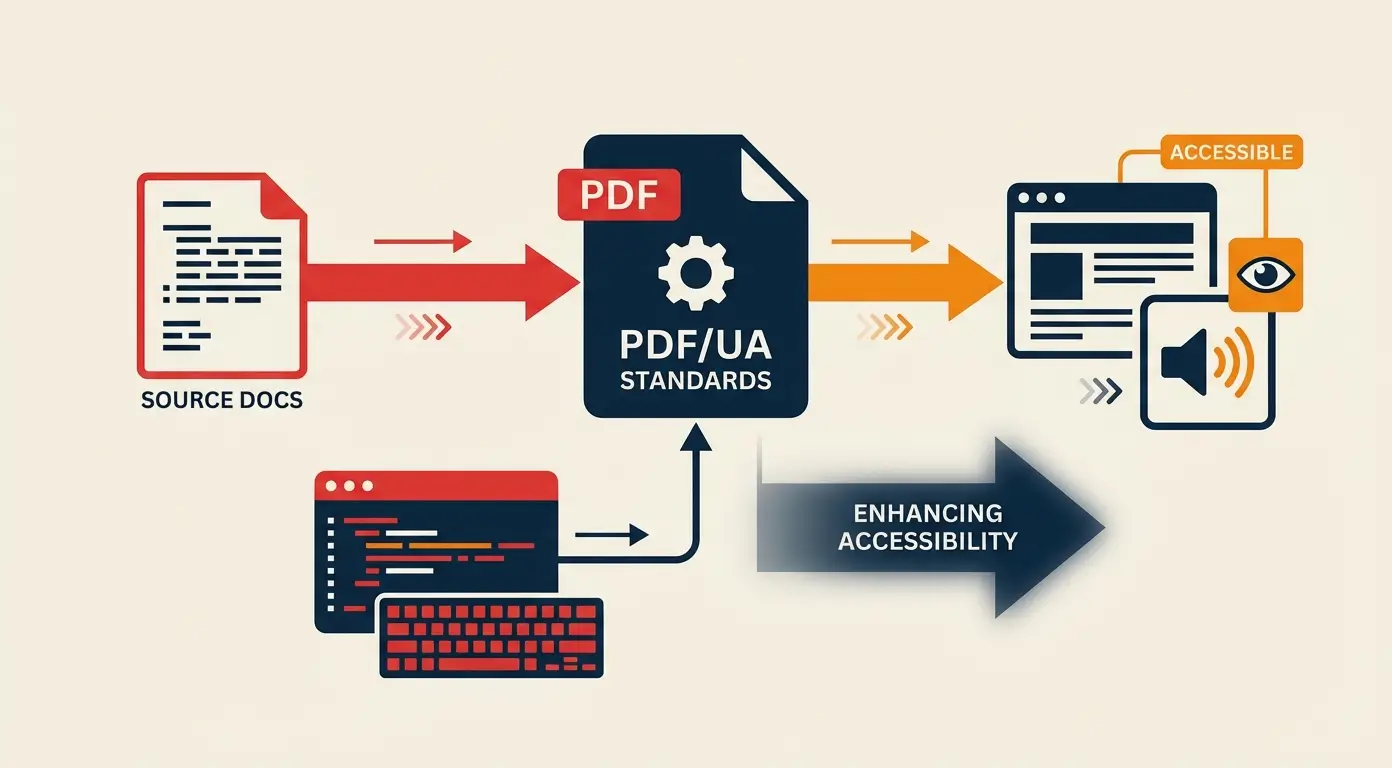
By adopting PDF/UA standards, developers can ensure that PDF documents are structurally sound, semantically correct, and easily navigable by assistive technologies. Implementing features such as tags, headings, and alternate descriptions can significantly enhance the accessibility of PDFs.
Comparison (Before vs After)
Before implementing PDF/UA standards, users may have struggled to navigate complex PDF documents, resulting in frustration and limited comprehension. After adopting PDF/UA guidelines, users with disabilities can access content more efficiently and interact with PDFs in a way that suits their needs.
Results / Outcomes
By prioritizing PDF/UA standards in PDF development, developers can improve user experience, enhance accessibility, and align with best practices in digital inclusivity. The outcomes include increased usability, compliance with accessibility regulations, and a more inclusive user base.
Lessons Learned
Throughout the process of implementing PDF/UA standards, developers gain valuable insights into the importance of accessibility, the challenges of balancing design considerations with inclusivity, and the impact of digital accessibility on user engagement.
Conclusion
Enhancing PDF accessibility through PDF/UA standards is a critical step towards creating a more inclusive digital environment. By prioritizing accessibility in PDF development, developers can empower users of all abilities to access information effectively and participate fully in the digital world.
Takeaway: Prioritize PDF/UA standards to enhance PDF accessibility and create more inclusive digital experiences.