Automated Report Generation: Streamlining Dashboard Insights
 Subham Jobanputra
Introduction
As technical decision-makers, we understand the importance of accessing real-time data insights to drive business decisions. However, the manual process of generating reports from dashboards can be time-consuming and error-prone.
Background / Existing Approach
Traditionally, teams have relied on manual data extraction and manipulation to generate reports from various dashboards. This approach is not only tedious but also prone to human error, leading to inconsistencies in reporting.
Pain Points or Limitations
The manual process of report generation poses several challenges, including delays in data availability, lack of scalability, and increased risk of inaccuracies due to human intervention.
Decision-Making Process
Recognizing the inefficiencies of manual report generation, our team embarked on a journey to find a more streamlined and automated solution.
New Approach (Solution)
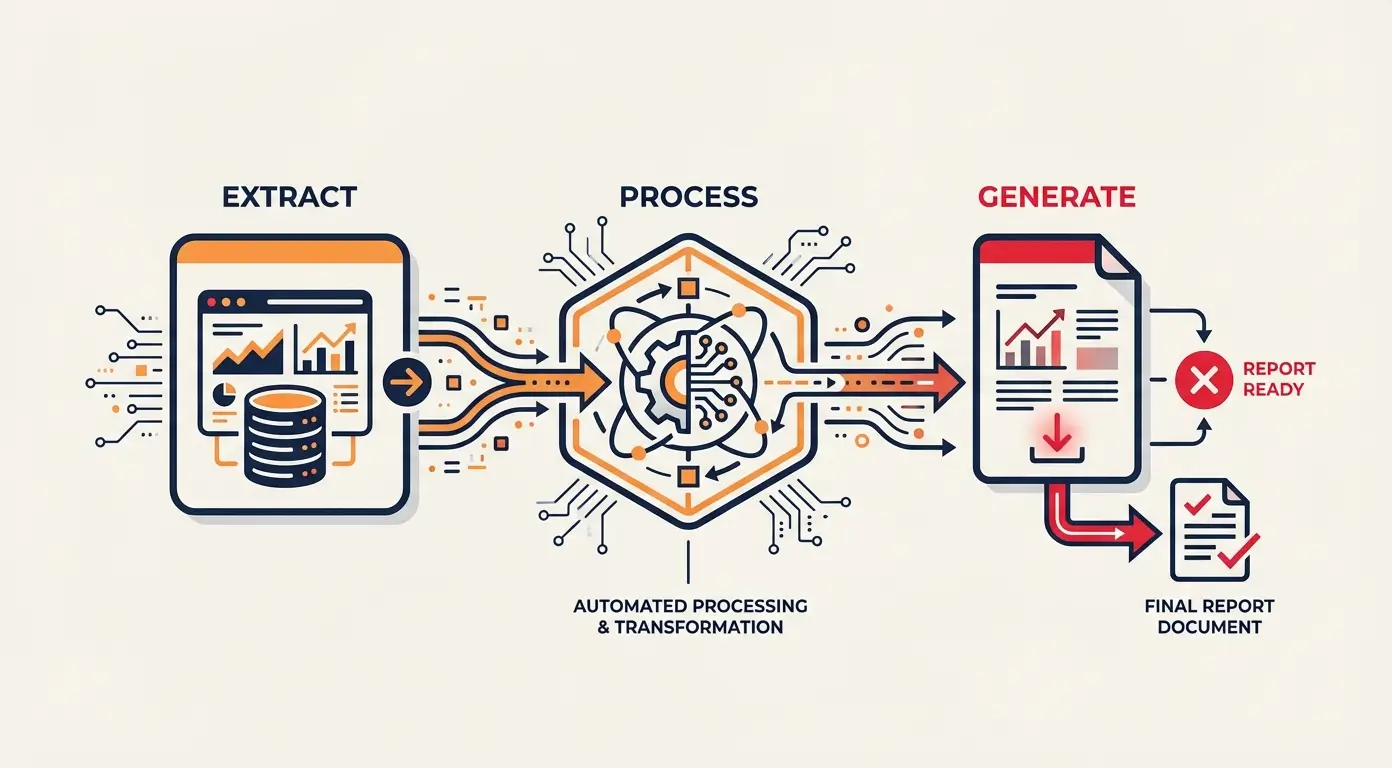
By leveraging automated report generation tools, we were able to seamlessly extract data from our dashboards and generate reports with a click of a button. This automation significantly reduced the time and effort required for report creation.
Comparison (Before vs After)
Before implementing automated report generation, our team spent hours each week manually compiling data from multiple sources. With the new solution in place, we now have real-time access to up-to-date reports without any manual intervention.
Results / Outcomes
The adoption of automated report generation has resulted in increased operational efficiency, reduced errors in reporting, and improved decision-making based on accurate and timely insights.
Lessons Learned
Through this experience, we learned the value of embracing automation to streamline repetitive tasks and enhance productivity. The importance of data accuracy and timeliness cannot be underestimated in today's fast-paced business environment.
Conclusion
Automating the report generation process from dashboards has proved to be a game-changer for our team. By eliminating manual efforts and optimizing our workflow, we have unlocked new efficiencies and improved the overall quality of our decision-making process.